
Adebayo Adenrele
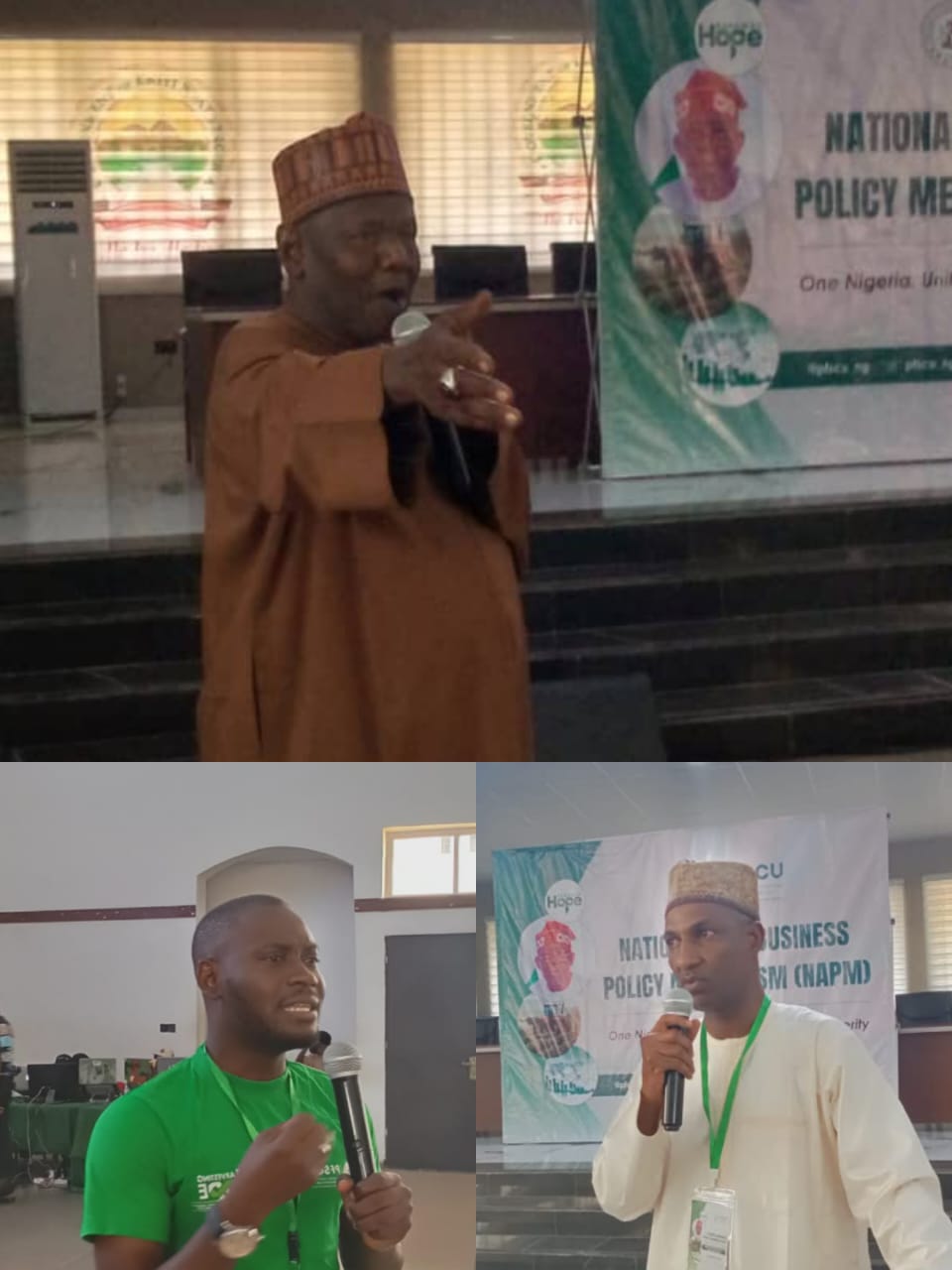
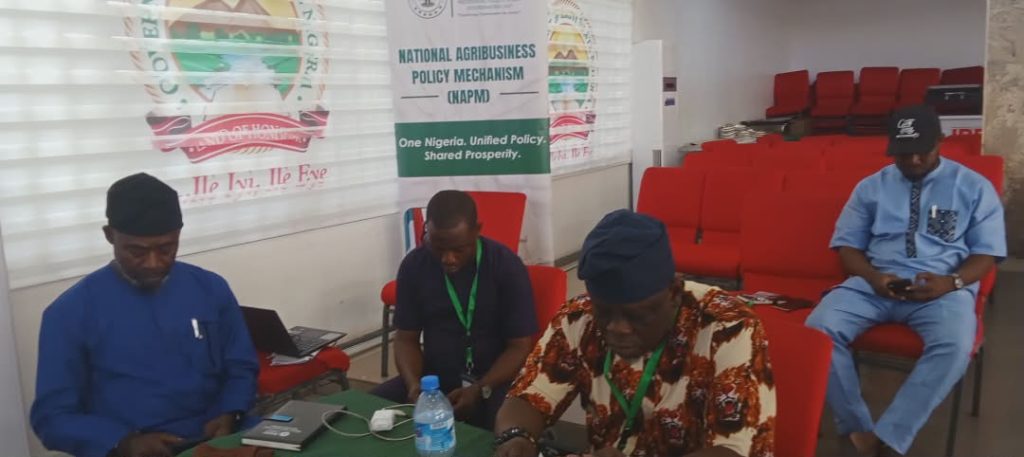
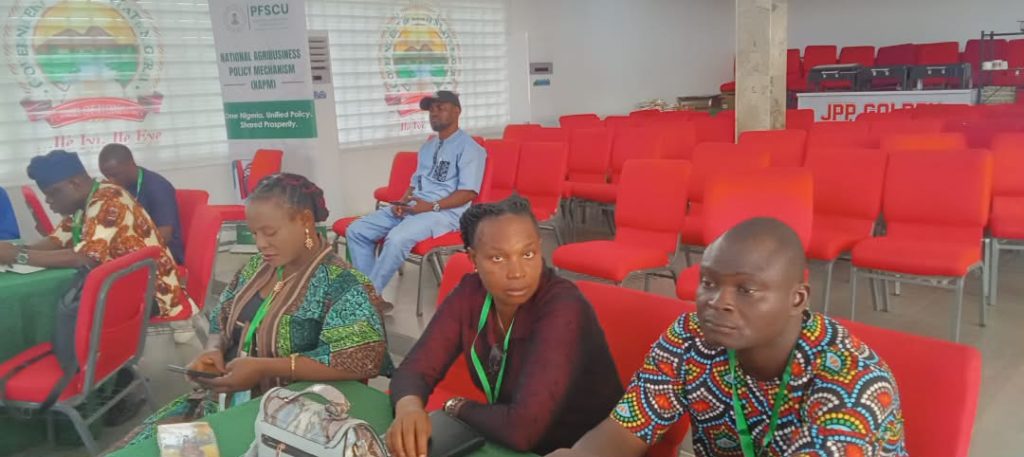
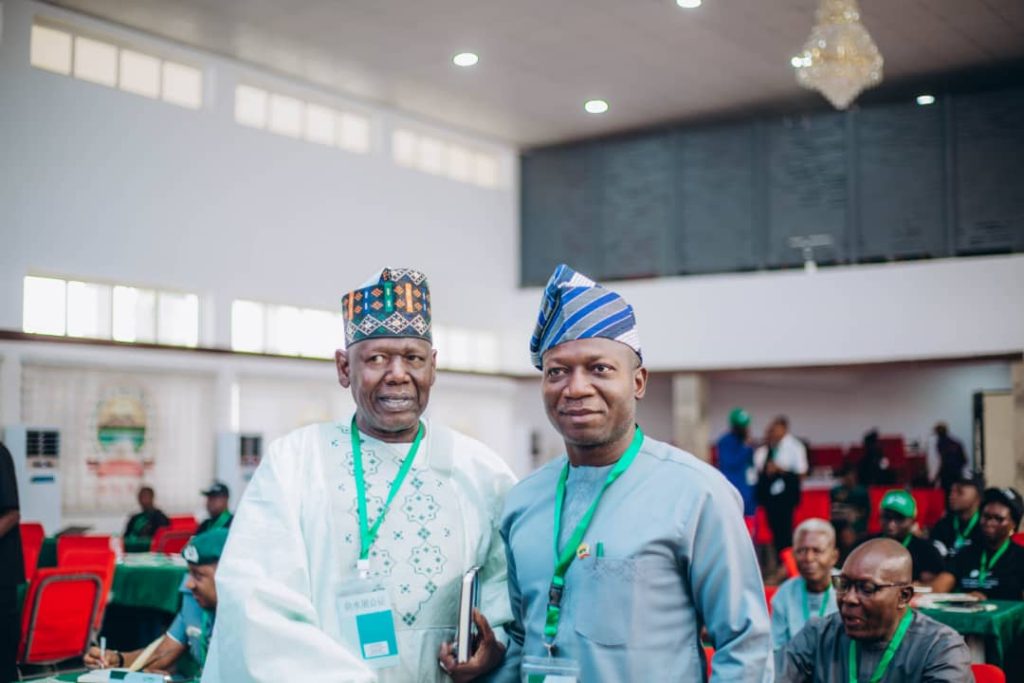
The Presidential Food Systems Coordinating Unit (PFSCU) has held a three-day National Agribusiness Policy Mechanism (NAPM) Stakeholders Planning and Validation Workshop in Ado-Ekiti, Ekiti State capital to address challenges surrounding food security.
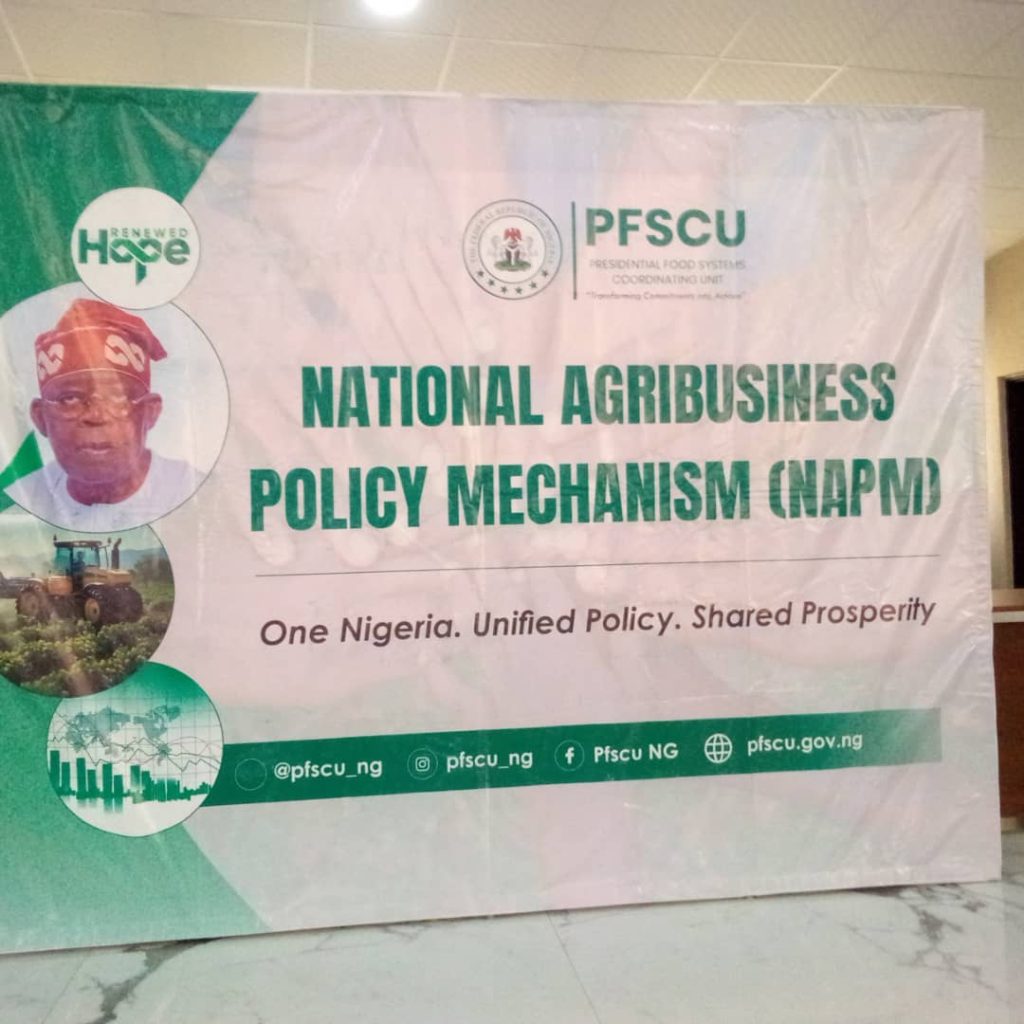
The three-day event, which was held at Jibowu Hall in the state capital, brought together stakeholders and policy makers to review the impact of the 2025/2026 Dry Season and align priorities for the upcoming season.
Speaking with journalists, agricultural adviser at the Nigerian Governors Forum, Professor Abba Gambo, stressed that Nigeria must fulfil its financial commitment to agriculture as contained in the Kampala Declaration on Agriculture, which requires African countries to dedicate at least 10 percent of their national budgets to the sector.
According to him, Nigeria’s current allocation falls far short of the agreed benchmark, explaining that only 2.3% of the total budget was allocated to agriculture by the federal government in 2025.
He noted that the country is still grappling with serious food security challenges, stating that several states indicate that many farmers are abandoning their farms due to high production costs and declining yields.
He explained that the high cost of farm inputs, particularly fertilizer, had discouraged many farmers from cultivating their lands, calling on the federal government to develop practical mechanisms to encourage farmers who had left the sector to return to farming, while also creating incentives to attract youths and women into agriculture.
The agricultural expert also called on state governments to intensify support for farmers by ensuring access to inputs and introducing motivational programmes that would revive interest in farming.
His words, “There is also the Kampala Declaration, which Nigeria signed along with other African countries, committing that 10 percent of the national budget should go to agriculture.
“However, last year the allocation to agriculture was only about two percent, and this year it is about 2.3 percent. I want to call on the Federal Government to be more proactive in funding agriculture.
“Last year the cost of fertilizer was extremely high, which is why many farmers are not even going to the farms this year. If you do not have fertilizer, you cannot get good yields”.
Earlier, the Ekiti State Commissioner for Agriculture and Food Security, Ebenezer Boluwade, noted that the engagement is focused on accelerating coordinated action to stabilise current challenges and strengthen system resilience.
He noted that it is designed as an opportunity to improve and accelerate efforts, stabilize existing challenges, strengthen Nigeria’s resilience and respond effectively to food security issues while building a sustainable system.
Also speaking, a Director at the Federal Ministry of Agriculture and Food Security, Dr. Musa Mohamed Umar, explained that the workshop was organised to establish a national food balance framework that would track agricultural productivity, trade flows and national food reserves.
According to him, the initiative is part of efforts to improve planning and anticipate potential threats to food production.
Umar said the mechanism would also help policymakers identify areas of surplus and shortage and design targeted interventions for specific crops and locations across the country.
He added that the Federal Government is working to ensure the availability of critical inputs, particularly improved seeds and fertilizer, ahead of the next planting season.
Umar encouraged Nigerians not to lose hope in agriculture despite the current challenges, emphasising that increased local food production is essential for national stability.
“In the past, interventions were often blanket programmes. Now we are moving towards crop-specific and location-specific interventions based on comparative advantage.
“We are working with institutions responsible for fertilizer production and raw materials, and there is already stock available that will cater for this year and even part of next year so that fertilizer prices remain within the reach of ordinary farmers”.
Similarly, Eniola Akindele, the Head of Monitoring, Evaluation and Learning of the organization, explained that the three-day programme served as a planning and monitoring platform for agricultural seasons across the country.
According to him, the first day focused on reviewing the recently concluded major dry season, while the second day involved planning for minor seasonal cycles in different parts of the country.He added that the final day of the workshop focused on preparations for the 2026–2027 major wet season and on developing policy recommendations to ensure a successful farming cycle.
Akindele stressed that agriculture is on Nigeria’s concurrent legislative list, meaning both federal and state governments share responsibility for strengthening the sector.
He therefore urged all tiers of government and stakeholders to collaborate in building a resilient food system capable of guaranteeing food sovereignty for the country.