

By our Admin
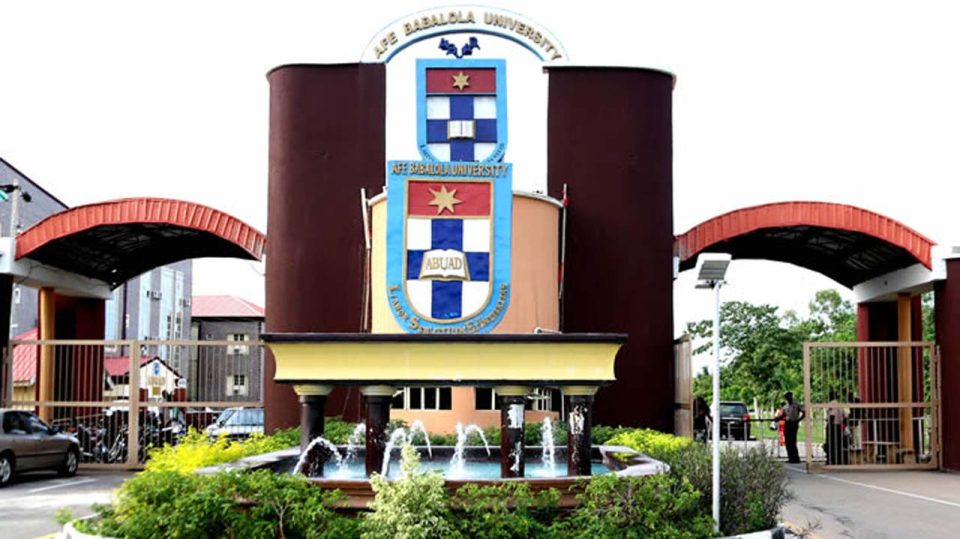
Afe Babalola University, Ado-Ekiti (ABUAD), has hosted an international community of neuroscientists, clinicians, postgraduate students and early-career researchers for an intensive advanced training programme focused on strengthening research and clinical responses to stroke and other cerebrovascular disorders in Africa.
The ISN–ABUAD Advanced School on Stroke Neurochemistry and Cerebrovascular Resilience, organised in collaboration with the International Society for Neurochemistry (ISN), was held from August 3 to 11, 2026, at ABUAD and conveyed in a communiqué issued by Dr. Edem E. Edem on behalf of the Local Organising Committee of the ISN–ABUAD Advanced School.
The programme brought together participants from different parts of Nigeria and other African countries, including Southern, Eastern, Western and Central Africa, while its faculty and resource persons included distinguished experts from Nigeria, Brazil, Germany, South Africa, Canada and the United States.
The organisers said the international and multidisciplinary composition of the School provided an important platform for knowledge exchange, scientific engagement, mentorship and the development of research collaborations around emerging issues in neurochemistry, neuroscience, cerebrovascular research and translational medicine.
The programme was structured around an approximately 50 per cent didactic and 50 per cent practical format, combining lectures and seminars with hands-on laboratory sessions, student presentations, interactive discussions and research-oriented activities.
Participants also underwent pre- and post-school assessments, practical competency evaluations and group research proposal development and presentations, designed to strengthen both their theoretical knowledge and practical research skills.
The scientific programme began with foundational concepts in molecular neurochemistry, including purinergic signalling, neurodegeneration and glial cell biochemistry.
The opening sessions drew attention to the increasing burden of stroke and dementia in Africa, while emphasising the need for stronger neurochemical, neuroscience and translational research capacity capable of responding to the continent’s unique health challenges.
The School subsequently examined the neurochemical mechanisms underlying cerebrovascular diseases, including neurochemical biomarkers in stroke and dementia, neurovascular coupling, blood-flow regulation, excitotoxicity, oxidative stress, inflammation and blood-brain barrier disruption.
According to the communiqué issued at the end of the programme, the sessions were designed to deepen participants’ understanding of the mechanisms responsible for neuronal injury and the potential avenues for improved diagnosis, prevention and treatment.
The programme also explored glial and neurotransmitter neurochemistry, neuroimmune signalling, acetylcholinesterase and cholinergic signalling, as well as gaps in African brain data.
Other areas of focus included vascular cognitive impairment, dementia genetics, scientific capacity building in low-resource settings and the relationship between chronic pain and central nervous system function.
A dedicated panel on grant writing also provided African neuroscientists with strategies for developing competitive research proposals and securing funding for neuroscience research.
A major feature of the School was its emphasis on the interaction between the brain and other body systems in determining cerebrovascular resilience.
Experts examined the gut-brain axis, microglial activation, immune-brain communication and the heart-brain axis, highlighting the importance of understanding brain health as part of an interconnected biological system rather than treating cerebrovascular disorders solely as diseases of the brain.
The programme further examined environmental neurochemistry and stress pathways, including environmental toxins, the gut-lung-brain axis, sex as a biological variable in heavy-metal neurotoxicity, HPA-axis dysregulation, neuroinfections and neurotoxicology.
The organisers said the sessions underscored the significance of environmental and systemic factors in neurological vulnerability and cerebrovascular risk, particularly in African settings where environmental and healthcare conditions can differ considerably from those in other parts of the world.
The School also broadened its translational focus through sessions on African phytochemical neurochemistry, model organisms and clinical applications.
Participants were introduced to the neurochemical potential of African food plants and the use of Drosophila melanogaster as a model organism in neurodegeneration research, while orthopaedic perspectives on stroke rehabilitation were also examined.
The clinical component of the programme included rotations through the Physiotherapy, Stroke, Radiology, Chemical Pathology and Clinical Physiology units of the Afe Babalola University Multi-System Hospital.
The rotations exposed participants to the complementary roles of laboratory investigations, diagnostic imaging, physiological assessment, rehabilitation and specialised clinical care in the management of cerebrovascular disorders.
The School identified multidisciplinary research as critical to addressing stroke and cerebrovascular diseases, noting that effective investigation requires collaboration across neurochemistry, molecular biology, vascular biology, immunology, environmental science, pharmacology and clinical medicine.
It also called for greater emphasis on locally generated African evidence, stressing the need for research programmes that reflect the biological, environmental and healthcare realities of African populations.
The participants and faculty further emphasised the importance of translational research, with stronger links between laboratory discoveries and clinical practice to ensure that advances in neurochemistry contribute to improved stroke prevention, treatment, rehabilitation and recovery.
The School also recognised the importance of peripheral systems, including the gut, heart, immune system and lungs, in determining brain health and cerebrovascular resilience.
Research capacity development was identified as another major priority, with participants calling for continued training in laboratory techniques, scientific communication, data interpretation, research design, grant writing and proposal development for postgraduate students and early-career researchers.
The programme also underscored the importance of collaboration between African institutions and the international scientific community, while encouraging sustained mentorship and support for young scientists.
In its recommendations, the School called for increased investment in neuroscience and cerebrovascular research across African institutions, alongside the development of multidisciplinary and multicentre research collaborations.
It advocated stronger laboratory and research infrastructure to facilitate advanced neurochemical and cerebrovascular investigations, as well as increased generation and utilisation of African-specific data in neuroscience and stroke research.
The communiqué also recommended expanded mentorship and capacity-building programmes for postgraduate students and early-career scientists, stronger integration of basic, translational and clinical research, and increased opportunities for scientific exchange between African researchers and international collaborators.
The School further urged continued training in research methodology, statistical reasoning, scientific writing, grant development and responsible interpretation of scientific evidence.
It called for research programmes addressing environmental, metabolic, inflammatory, infectious and lifestyle-related contributors to cerebrovascular diseases, as well as continued emphasis on clinically relevant research aimed at improving stroke prevention, treatment, rehabilitation and long-term cerebrovascular resilience.
Participants expressed appreciation to the International Society for Neurochemistry for awarding $25,000 to the Director of the School, Dr. Edem E. Edem, in support of the organisation of the Advanced School.
They also acknowledged Afe Babalola University for providing institutional support that contributed to the successful hosting and delivery of the programme.
The Company of Biologists was similarly acknowledged for its support awarded to the Co-Director of the School, Dr. Gladys Adeoluwa.
The participants commended the Vice-Chancellor, faculty members, invited speakers, facilitators, laboratory and clinical teams, Local Organising Committee, supporting organisations and all participants for their contributions to the success of the programme.
Special recognition was given to local and international faculty and resource persons for their scientific contributions, as well as the teams responsible for participant welfare, logistics, laboratory activities, communications and overall coordination.
The organisers said the ISN–ABUAD Advanced School had reinforced the importance of interdisciplinary science, practical research training, international collaboration and locally relevant evidence in advancing neuroscience and cerebrovascular research in Africa.
The School, they noted, had not only provided participants with intensive scientific and practical training but had also created opportunities for sustained collaboration, mentorship and the development of new research initiatives.
Participants were therefore encouraged to apply the knowledge and skills acquired during the programme, pursue the research ideas developed during the School and maintain the professional relationships established with colleagues and experts.
The programme concluded with a renewed commitment to scientific excellence, collaborative research, capacity building and the advancement of cerebrovascular health across Africa.