

Adebayo Adenrele
Stakeholders in the fight against Gender-Based Violence (GBV) have called for increased government support for the Sexual Assault Referral Centre (SARC) in Ekiti State, popularly known as Moremi Clinic, as part of efforts to strengthen response mechanisms and improve access to justice for survivors.
The call was made during an Inter-state Consultative Dialogue on GBV Prevention and Response organised by the Balm in Gilead Foundation for Sustainable Development (BIGIF) under the project titled: “Strengthening Women’s Rights Organisations in Nigeria for Gender-Based Violence Prevention” with the support of Amandla Institute for Policy and Leadership Advancement and funded by the Ford Foundation.
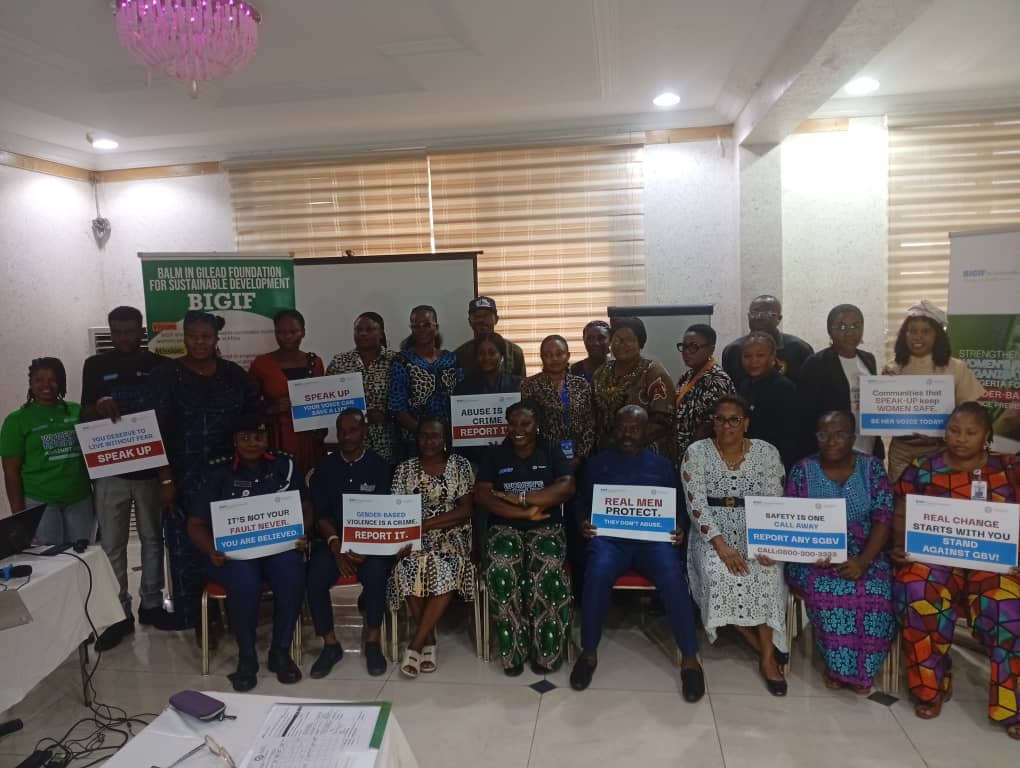
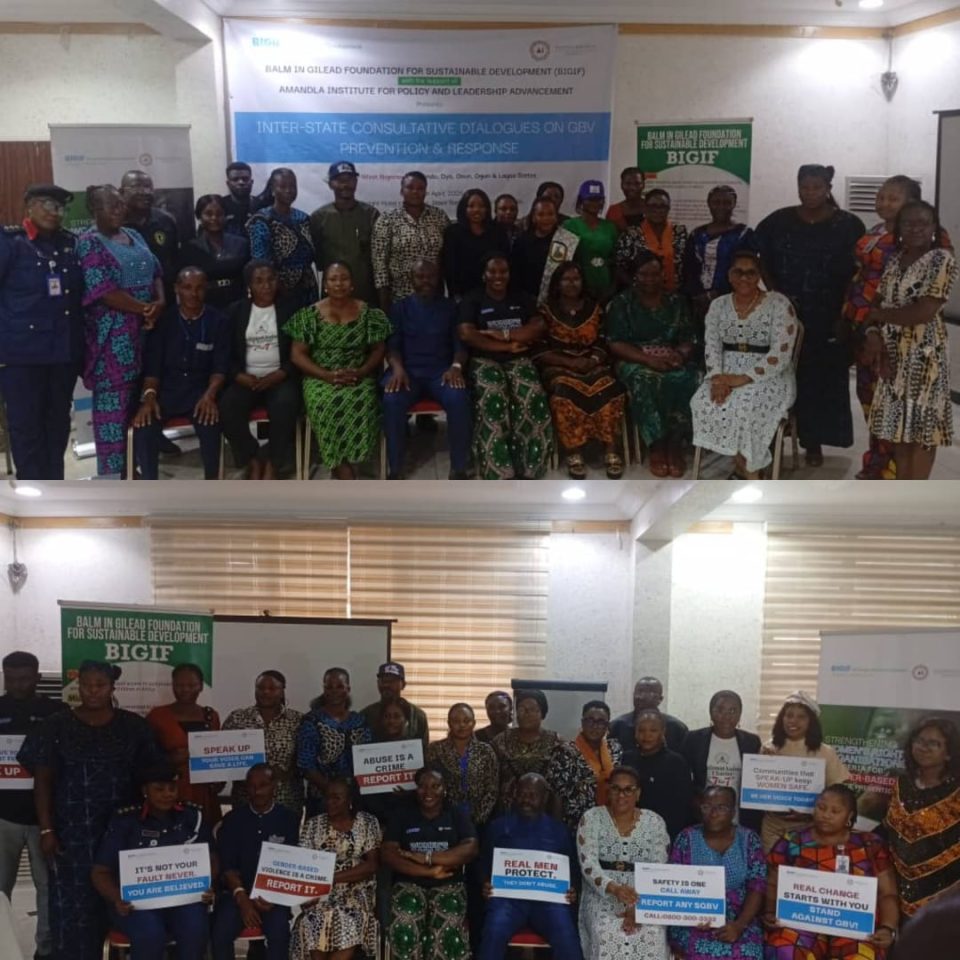
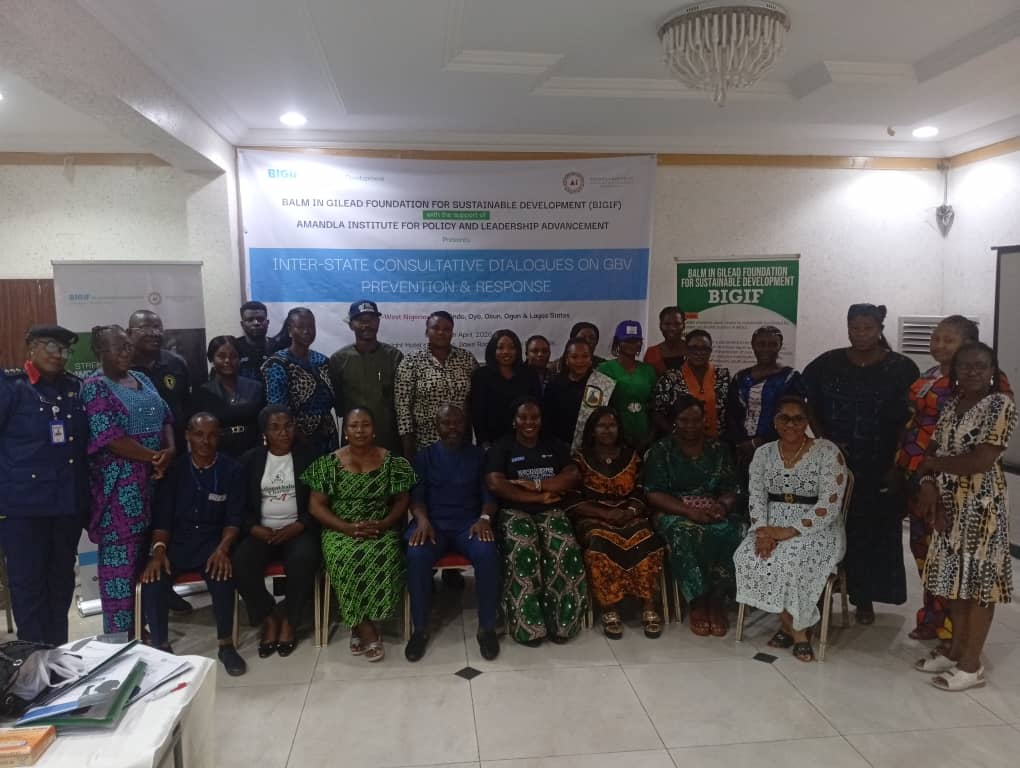
The engagement brought together key actors from Ekiti and Ondo States to assess existing structures, identify gaps and develop actionable solutions.
In her welcome remarks, the Executive Director of BIGIF, Tumininu Adedeji, called for enhanced collaboration, improved coordination and data-driven strategies to strengthen GBV prevention and response systems across Nigeria’s Southwest region.
According to her, the primary objective of the meeting was to bring together critical stakeholders from across Southwest states to strengthen coordination, encourage peer learning and collectively identify actionable priorities to improve GBV prevention and response mechanisms.
Adedeji pointed out that survivors still face challenges in accessing timely and quality support services, with outcomes often dependent on the strength of systems in individual states.
The Director stressed the need for stronger collaboration and knowledge sharing among stakeholders, noting that such engagement would help identify best practices, expose systemic gaps and promote more unified responses to GBV.
Speaking at the dialogue held in Ado-Ekiti, Programme Officer at BIGIF, Ayomiposi Ogundipe, described the dialogue as a major milestone in the organisation’s regional intervention strategy aimed at tackling GBV across Southwest Nigeria.
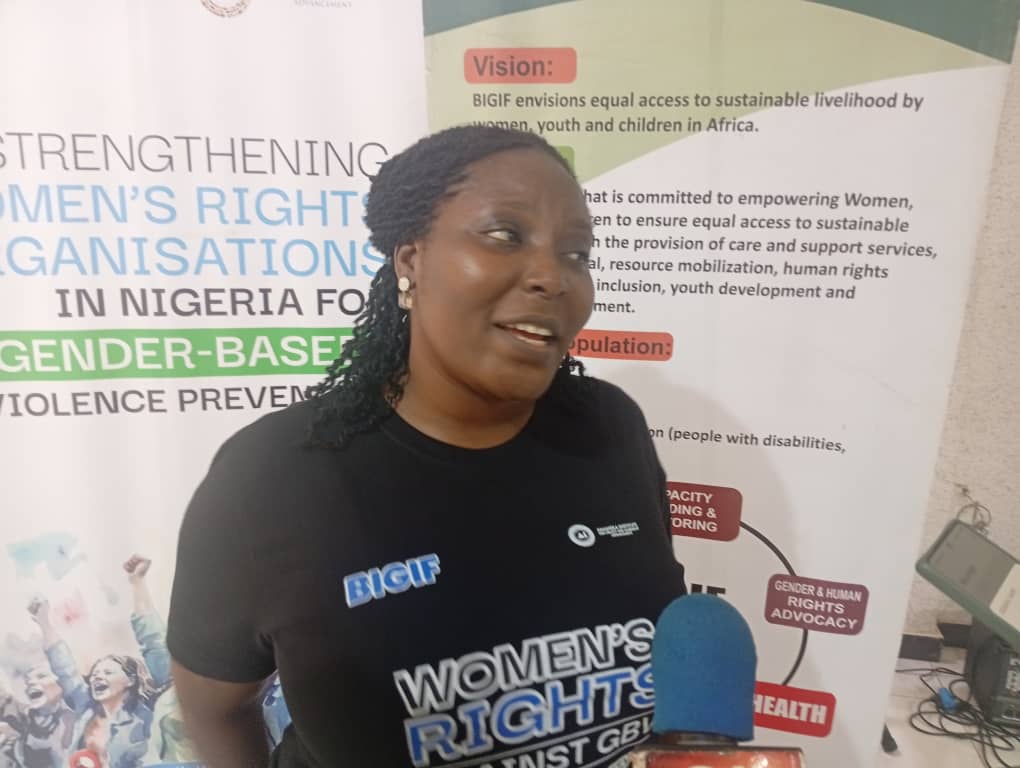
She explained that the initiative began with a state-level consultation to examine the realities of GBV prevention and response in Ekiti and Ondo States, with a view to fostering knowledge exchange and system improvement.
Ogundipe noted that while Ekiti and Lagos States have made significant progress in establishing functional GBV response systems, including operational SARCs, other states in the region are still developing their frameworks.
She further disclosed that similar engagements would be extended to Oyo, Osun, Lagos, and Ogun States, with the aim of replicating successful models and ensuring a more coordinated regional response to GBV.
Ogundipe also explained that SARCs serve as one-stop centres providing comprehensive services to survivors of sexual and gender-based violence, including medical care, legal assistance, and psychosocial support.
Assessing the impact of ongoing interventions, she affirmed that there has been a noticeable increase in awareness and accountability in Ekiti State, where offenders are increasingly prosecuted and documented in a sexual offenders register.
“We brought stakeholders together to understand what is working in each state and what is not. Beyond discussions, one of the key achievements of today’s engagement is the development of a clear action plan by GBV responders, who will return to their respective states to implement identified solutions.
“In Ondo State, for instance, there is currently no Sexual Assault Referral Centre. However, through this engagement, stakeholders are now encouraged to advocate for the establishment of such a facility by engaging their State House of Assembly and the executive arm of government,” she added.
Also speaking, the Ekiti State Coordinator of the National Human Rights Commission, Oluwapomile Sodeinde, highlighted the Commission’s sustained efforts in reducing GBV cases through sensitisation, advocacy and direct intervention.
According to him, the Commission has remained proactive in promoting awareness through radio, newspapers and community engagement, while also providing legal support for survivors and ensuring the prosecution of offenders under relevant laws, including the Violence Against Persons (Prohibition) Act and the Ekiti State Violence Against Persons Law.
However, he stressed the need for the state government to strengthen its response systems, particularly by investing in the Moremi Clinic.
“More effort is required in the area of response. The Sexual Assault Referral Centre in Ekiti state needs more personnel, expert support and equipment.
“For instance, forensic test kits are essential for immediate testing and to ensure that victims receive prompt and effective treatment”.