
Rotimi Idris
The United Nations Children’s Fund (UNICEF) has warned that Nigeria risks undermining the future of its own long-term human capital development if children are restrained to their full developmental potential without safety and access to play.
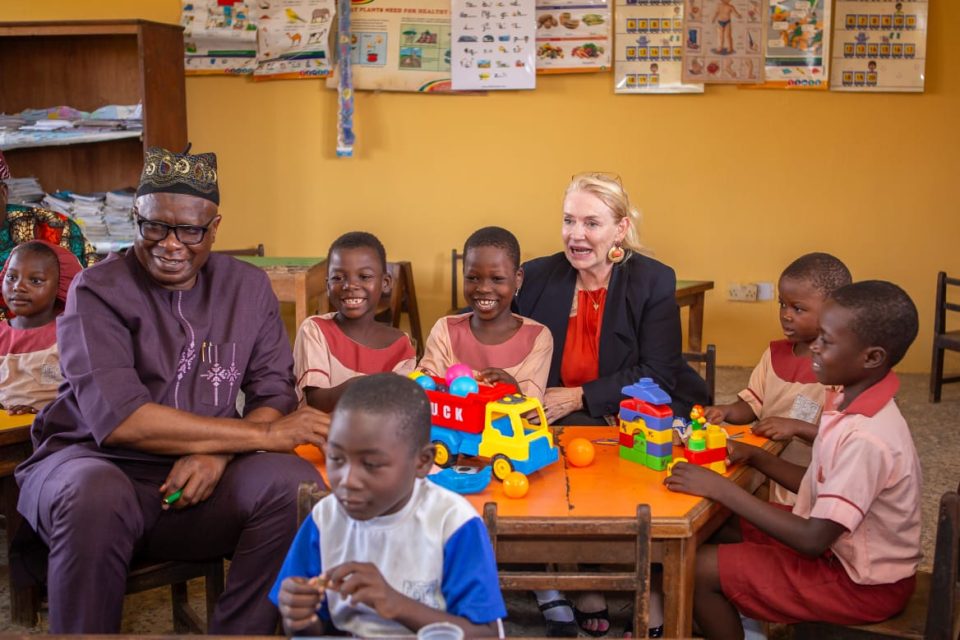
The Chief of Field Office of UNICEF in Lagos, Celine Lafoucriere, made the remark on Thursday during the International Day of Play event held at the State Universal Basic Education Board (SUBEB) in Maryland, Ikeja, Lagos.

Lafoucriere noted that Nigeria will mess up its own future workforce and economy if children are not allowed to grow, learn and reach their full ability.
She also expressed concern over the growing insecurity affecting school environments across the country, noting that several children abducted from schools in recent incidents in Borno, Niger, Kebbi, and Oyo States are yet to return home.
Lafoucriere said the situation reflects a troubling reality in which many children are unable to enjoy normal childhood experiences, including safe schooling and recreational play.
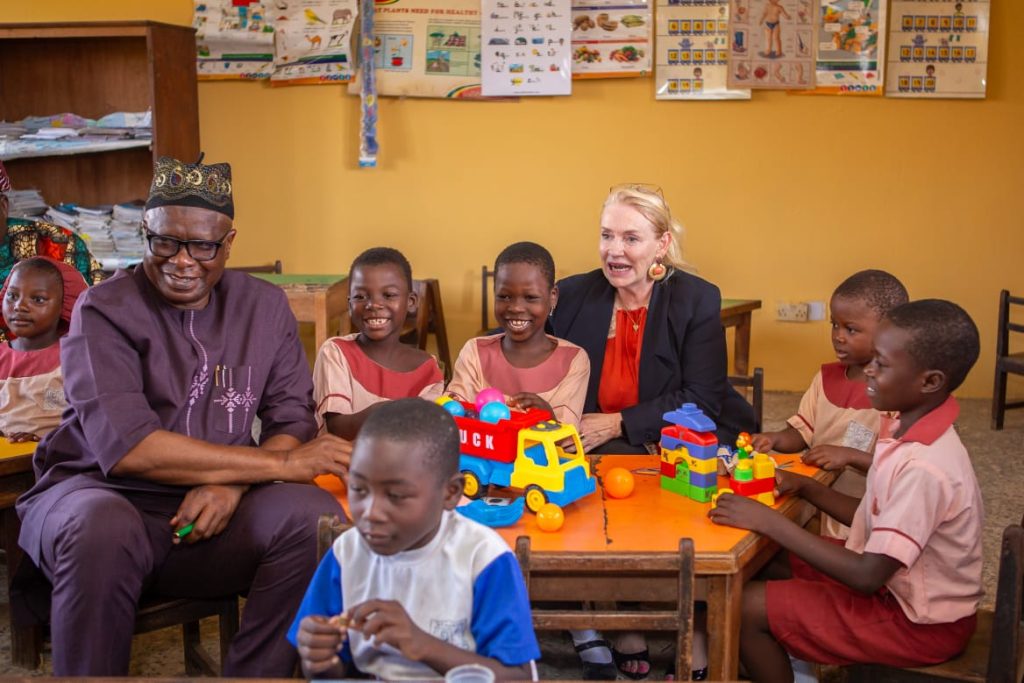
“This is the reality of childhood in the country in 2026. And we cannot stand here, on International Day of Play, and pretend otherwise”.
She noted that beyond insecurity, many schools are also struggling with overcrowding, inadequate infrastructure, and lack of learning materials, factors which further limit children’s ability to learn and play effectively.
According to her, fear has become a barrier to education, as some parents are increasingly reluctant to send their children to school due to safety concerns.
The UNICEF official stressed that play is central to cognitive and emotional development, adding that it is not a luxury but an essential part of learning.
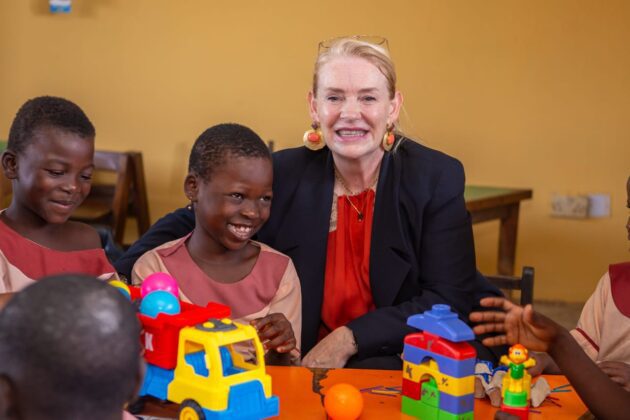
“When a child plays, their brain grows… Play is not a reward for finishing work; play is the work,” she said.
Lafoucriere called on government authorities, educators, parents and other stakeholders to urgently address insecurity and improve learning conditions to ensure that schools remain safe spaces for children.