

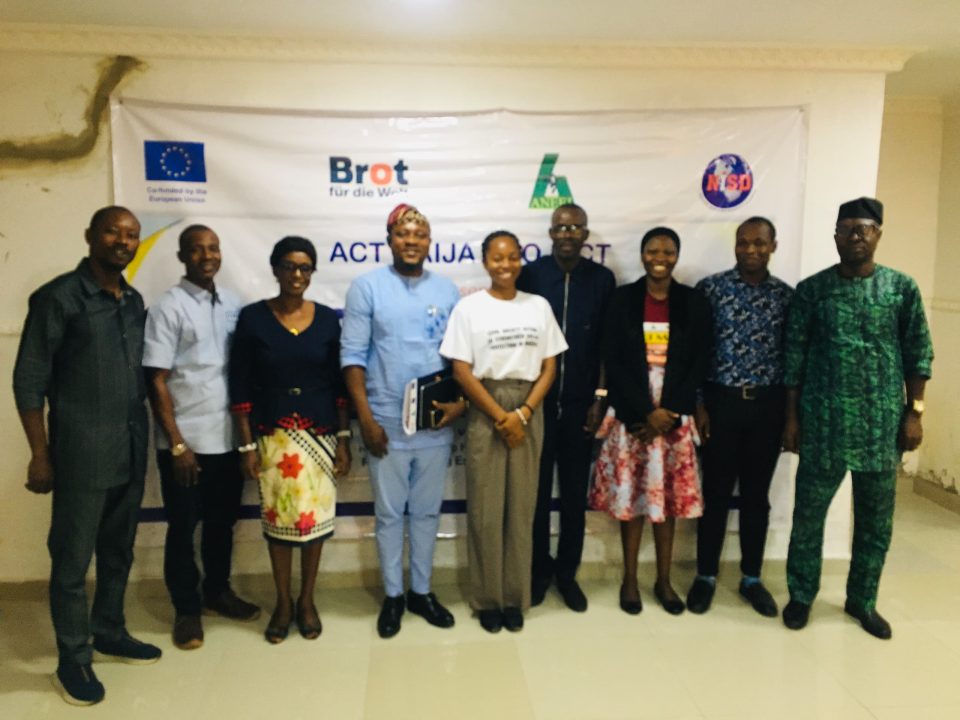
Adebayo Adenrele
Stakeholders in Ekiti State have called for the full implementation of the state’s Social Protection Law through stronger institutional coordination, improved transparency, enhanced public awareness and effective grievance redress mechanisms to ensure vulnerable residents benefit from government social intervention programmes.
The call was made in Ado-Ekiti during an Advocacy Engagement Meeting on Strengthening Social Protection Policy and Legal Frameworks in Ekiti State, organised by the New Initiative for Social Development (NISD) under the ACT Naija Project, with the theme, “Strengthening the Institutional Framework for Social Protection in Ekiti State.”
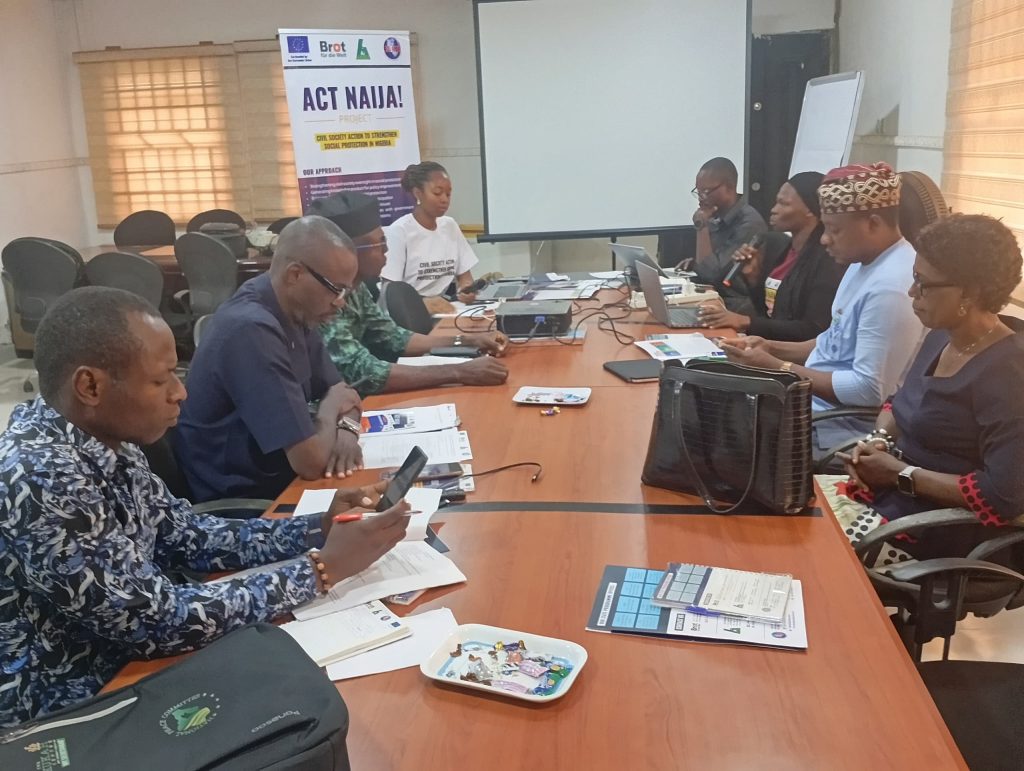
The meeting brought together government officials, lawmakers, civil society organisations and other stakeholders to review the implementation of social protection programmes in the state and chart a path towards strengthening the legal and institutional framework for effective service delivery.
Speaking at the event, the Monitoring and Evaluation Manager of NISD, Ambassador Olusegun Ojo, said the ACT Naija (Civil Society Action to Strengthen Social Protection in Nigeria) Project is a three-year initiative aimed at improving Nigeria’s social protection system through active civil society engagement, strategic advocacy and participatory monitoring.
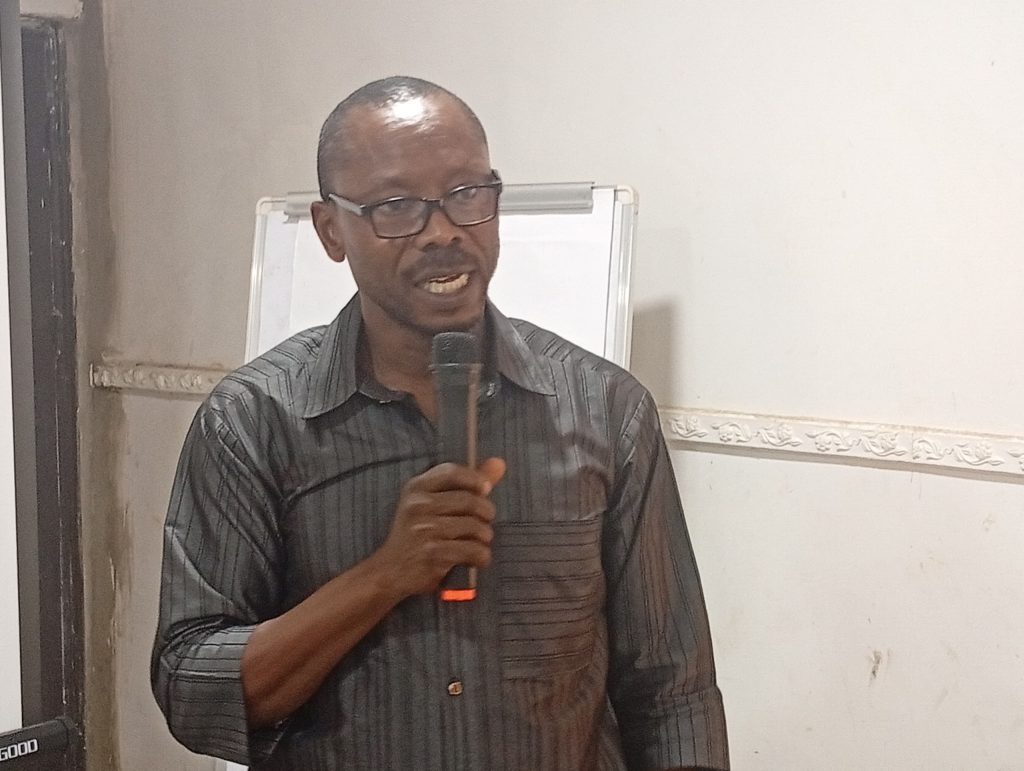
He explained that the project is co-funded by the European Union under its Human Rights and Support to Civil Society in Nigeria Programme and is being implemented by a consortium comprising Brot Für die Welt – Protestant Agency for Diakonie and Development (EWDE), the Africa Network for Environment and Economic Justice (ANEEJ) and the New Initiative for Social Development (NISD).
According to him, the engagement was convened to facilitate dialogue with key stakeholders on identified implementation gaps while securing commitments towards strengthening institutional coordination, improving public awareness, enhancing grievance redress mechanisms, promoting accountability and advancing inclusive social protection for vulnerable populations.
Presenting findings from NISD’s activities and cash transfer monitoring exercise in Ekiti State, the organisation’s State Programme Officer, Rachael Olori, identified several challenges affecting the implementation of social protection programmes.
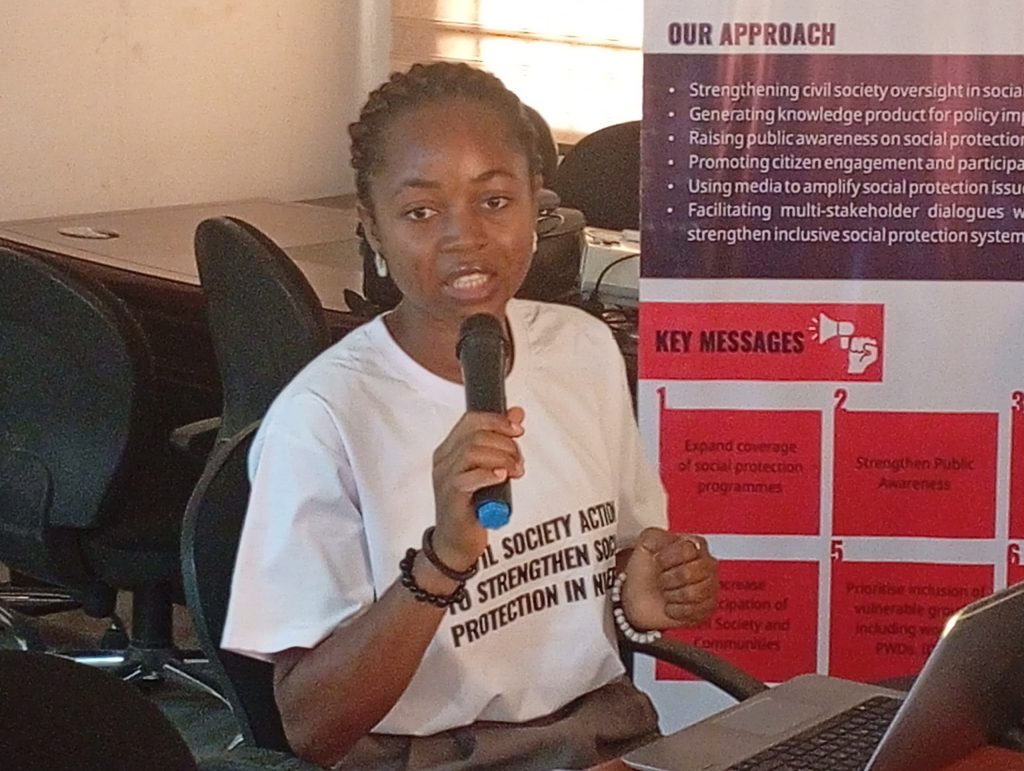
She listed the major findings to include low public awareness and weak information dissemination, challenges with social register registration, transparency and accountability concerns, inconsistent delivery of benefits despite positive impacts, perceived inequity in programme implementation, gaps in inclusion and participation, as well as weak community mobilisation.
Olori stressed that addressing these issues would require deliberate collaboration among all stakeholders and stronger institutional mechanisms to coordinate social protection initiatives across the state.
She said the meeting sought to achieve several objectives, including the operationalisation of the Ekiti State Social Protection Steering Committee and the Technical Working Group (TWG), strengthening coordinated grievance redress mechanisms, expanding public awareness on available interventions through statewide sensitisation campaigns, improving coordination among Ministries, Departments and Agencies (MDAs) and promoting transparency and accountability in programme implementation.
Also speaking, NISD Legal Officer, Ruth Oluwaleke, emphasised that solving the state’s social protection challenges requires stronger institutional coordination rather than isolated interventions.
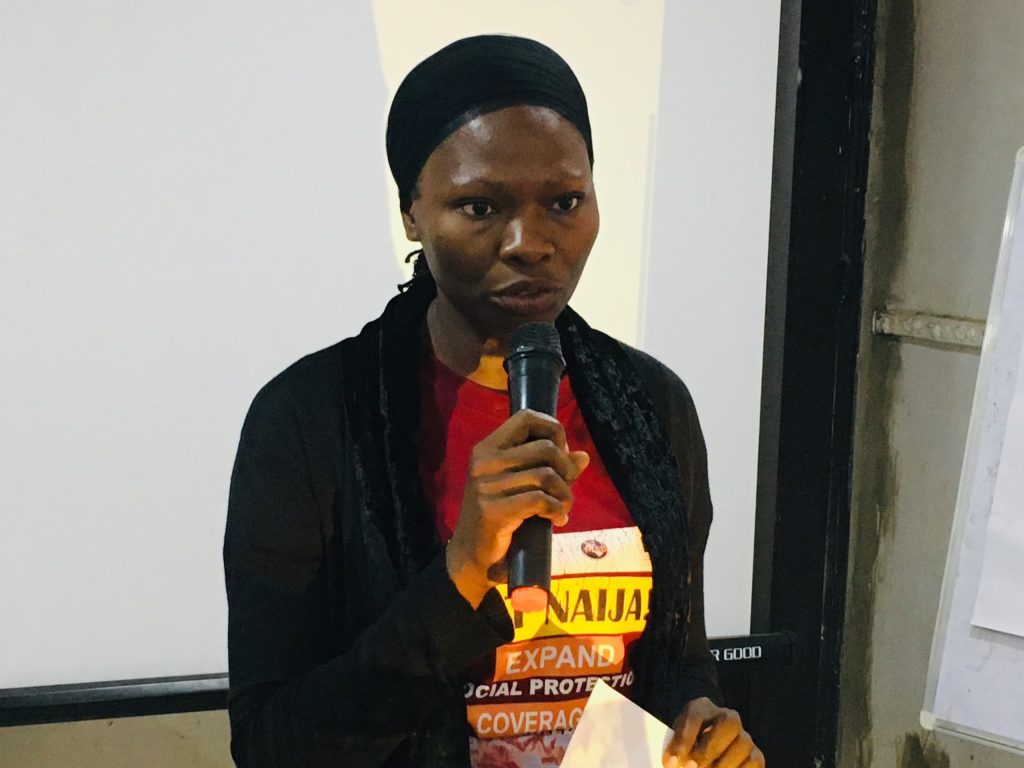
She noted that the Ekiti State Social Protection Law already provides for the establishment of the Social Protection Steering Committee and the Technical Working Group, which, if fully operationalised, would provide the strategic leadership and technical coordination needed for effective implementation.
Oluwaleke outlined NISD’s seven strategic advocacy priorities, which include the full operationalisation of the Social Protection Steering Committee, strengthening the Technical Working Group, implementing mass public enlightenment campaigns, expanding the state social register, developing effective grievance redress mechanisms, enhancing transparency and accountability and ensuring greater civil society participation in policy implementation.
She added that the objectives of the Ekiti State Social Protection Law include poverty reduction, human capital development, improved access to basic services, enhanced social welfare and food security, sustainable livelihoods and stronger institutional coordination.
Delivering his remarks, the Speaker of Ekiti State House of Assembly, Stephen Aribasoye said the state has consistently remained at the forefront of promoting the welfare of its citizens through social protection initiatives.
The speaker, represented by the member representing Oye Constituency II, Idowu Odebunmi recalled that although social intervention programmes existed before the enactment of the Ekiti State Social Protection Law in 2022, the legislation provided a legal framework for coordinating and sustaining such interventions.

Odebunmi referenced earlier cash transfer initiatives introduced during the administration of former Governor Dr. Kayode Fayemi, describing them as pioneering efforts that familiarised residents with government-backed social protection programmes.
The lawmaker noted that legislation is subject to periodic review and assured stakeholders that the House of Assembly remains committed to strengthening existing laws and policies to improve service delivery.
He said the Assembly would continue to exercise its constitutional oversight responsibilities by monitoring budgetary allocations for social protection programmes to ensure transparency, accountability and value for public funds.
Other Ministries at the engagement include Ministry Budget and Economy Planning, Ministry of Information, among others.