

Adebayo Adenrele
A non-governmental organisation under the auspices of New Initiative for Social Development (NISD) has unveiled its maiden advocacy engagement in Ekiti State to address identified gaps in the implementation of social protection programmes in the State and strengthen the system.
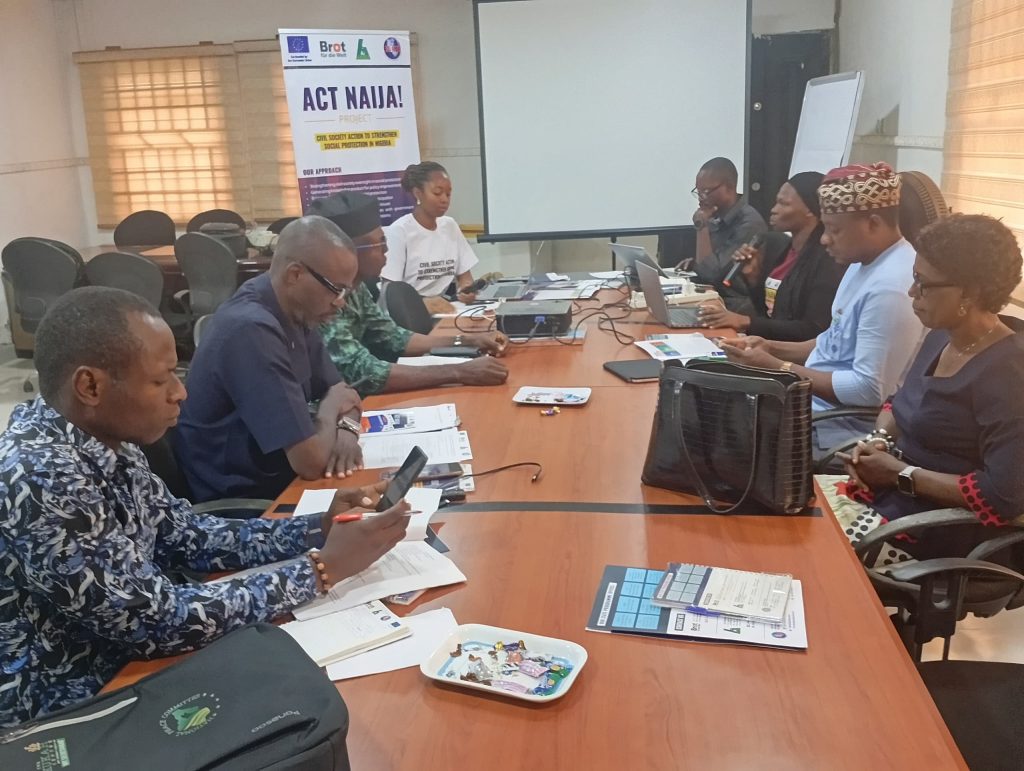
The advocacy themed: “Strengthening the Institutional Framework for Social Protection in Ekiti State”, rallied key government institutions and civil society organisations across the state to strengthen the state’s institutional framework and ensure full implementation of the Ekiti State Social Protection Law 2020.
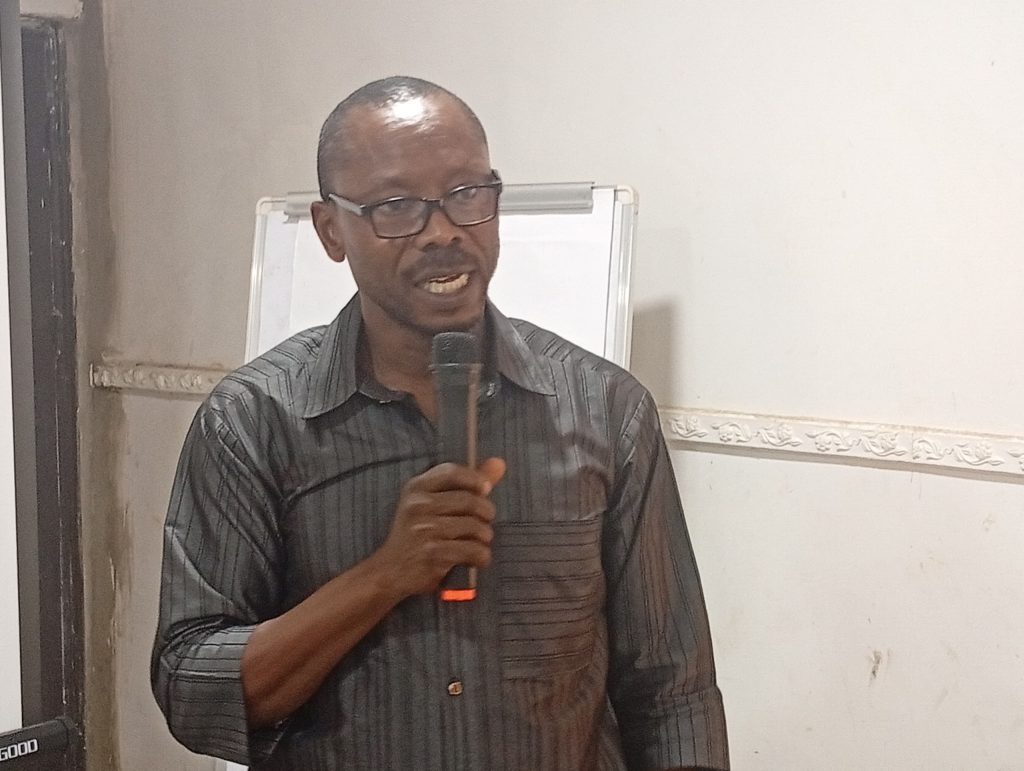
In his opening remark, the Executive Director of the organisation, Abiodun Oyeleye, represented by the Monitoring and Evaluation Manager of NISD, Amb. Olusegun Ojo said the advocacy engagement is aimed at promoting the full implementation of the Ekiti State Social Protection Law 2020 through stronger institutional coordination, improved transparency, enhanced public awareness and effective grievance redress mechanisms.
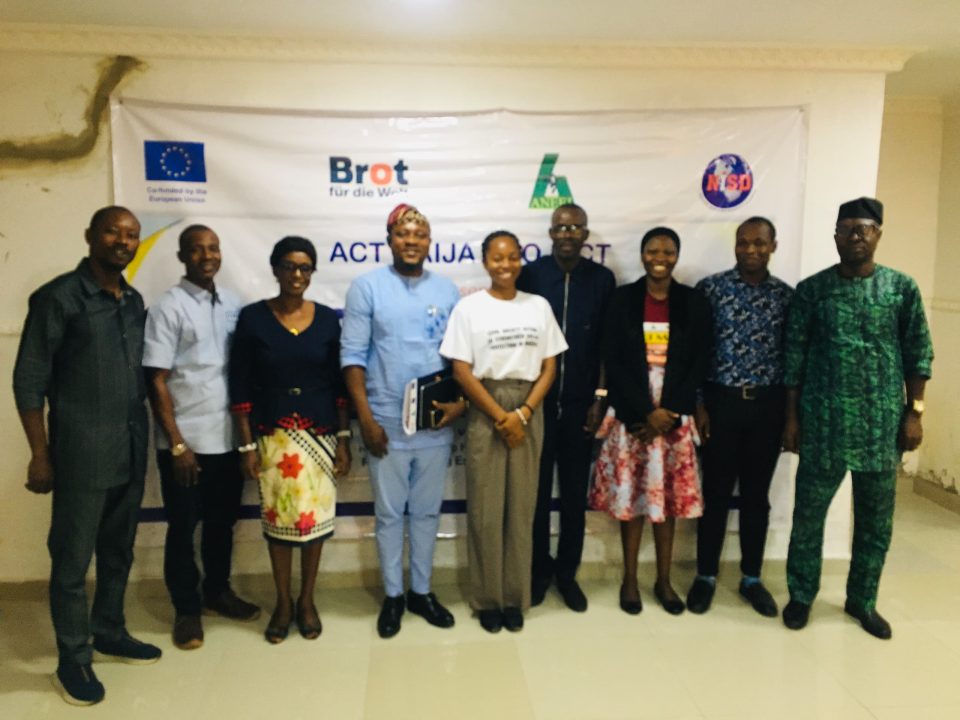
He added that the project is co-funded by the European Union under its Human Rights and Support to Civil Society in Nigeria Programme and implemented by a consortium comprising of BfdW, ANEEJ & NISD, implementing in 7 States in Nigeria as the FCT.
Also, the Ekiti State Program Officer, Ms. Rachael Olori explained that the ACT Naija (Civil Society Action to Strengthen Social Protection in Nigeria) Project is a three-year initiative designed to strengthen Nigeria’s social protection system through active civil society engagement, strategic advocacy and participatory monitoring.
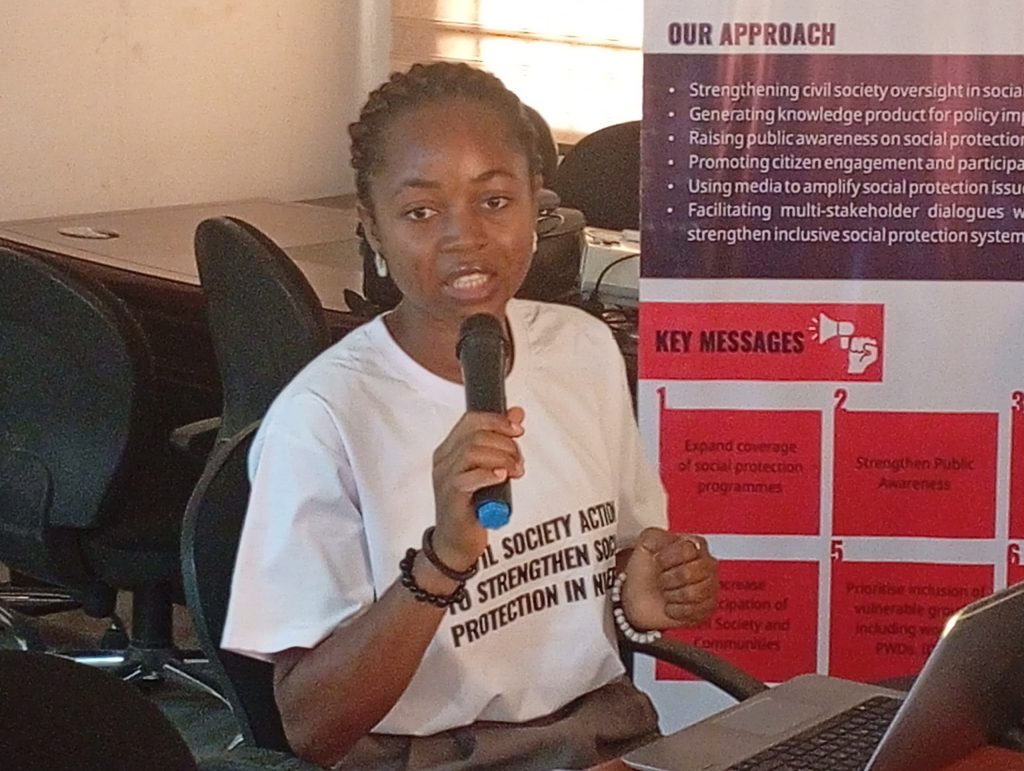
According to her, the advocacy engagement was convened to foster dialogue with key stakeholders on implementation challenges while securing commitments towards improving institutional coordination, strengthening accountability, expanding public awareness and promoting inclusive social protection for vulnerable groups across the state.
She listed the key concerns identified from series of outreaches and surveys carried out on the project so far which include low public awareness, weak dissemination of information, challenges associated with the social register, transparency and accountability issues, inconsistent delivery of benefits, perceived inequity in programme implementation, weak community mobilisation and limited participation of Civil Society Organizations.
Ms. Olori stressed that overcoming the challenges would require stronger collaboration within the relevant social protection implementing agencies and civil society organisations, backed by a more effective institutional framework.
“The priority advocacy area for this engagement is to strengthen the operationalization of the Ekiti State Social Protection Steering Committee and the Technical Working Group (TWG), public awareness on existing programs, strengthening grievance redress mechanisms, expanding statewide sensitization campaigns, improving coordination among Ministries, Departments and Agencies (MDAs) and enhancing transparency and accountability in programme implementation”. She added
The Legal Officer for NISD, Ruth L. Oluwaleke Esq, said effective social protection cannot be achieved through isolated interventions, stressing that stronger institutional coordination remains critical to the successful implementation of the state’s Social Protection Law. She noted that the law already provides for the establishment of the Social Protection Steering Committee and the Technical Working Group, which would provide strategic direction and technical coordination once fully operational.
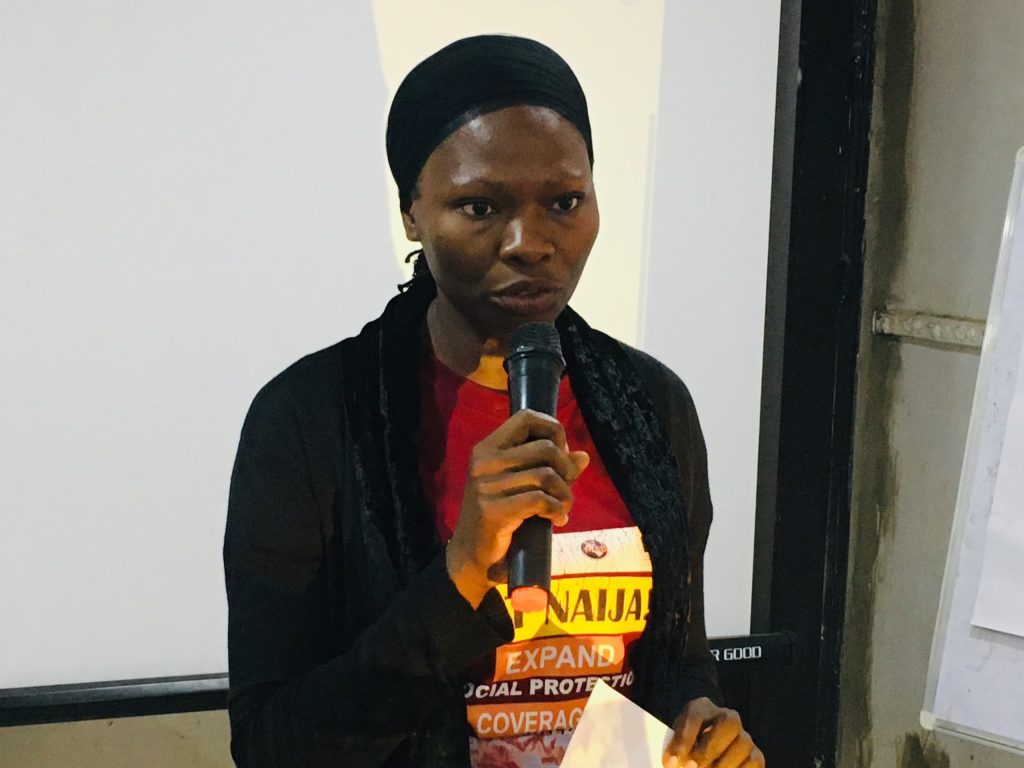
Ruth L. Oluwaleke Esq. outlined NISD’s seven advocacy priorities, including the operationalization of the steering committee, strengthening the Technical Working Group, expanding public enlightenment campaigns, broadening the state social register, establishing effective grievance redress mechanisms, promoting transparency and accountability, and encouraging greater civil society participation in policy implementation.
She added that the law seeks to reduce poverty, promote human capital development, improve access to essential social services, strengthen food security, support sustainable livelihoods and enhance institutional coordination.
In his response, the Vice-Chairman of the House Committee on Budget & Finance, Ekiti State House of Assembly, Hon Idowu Odebunmi, reaffirmed the legislature’s commitment to strengthening the state’s social protection framework.
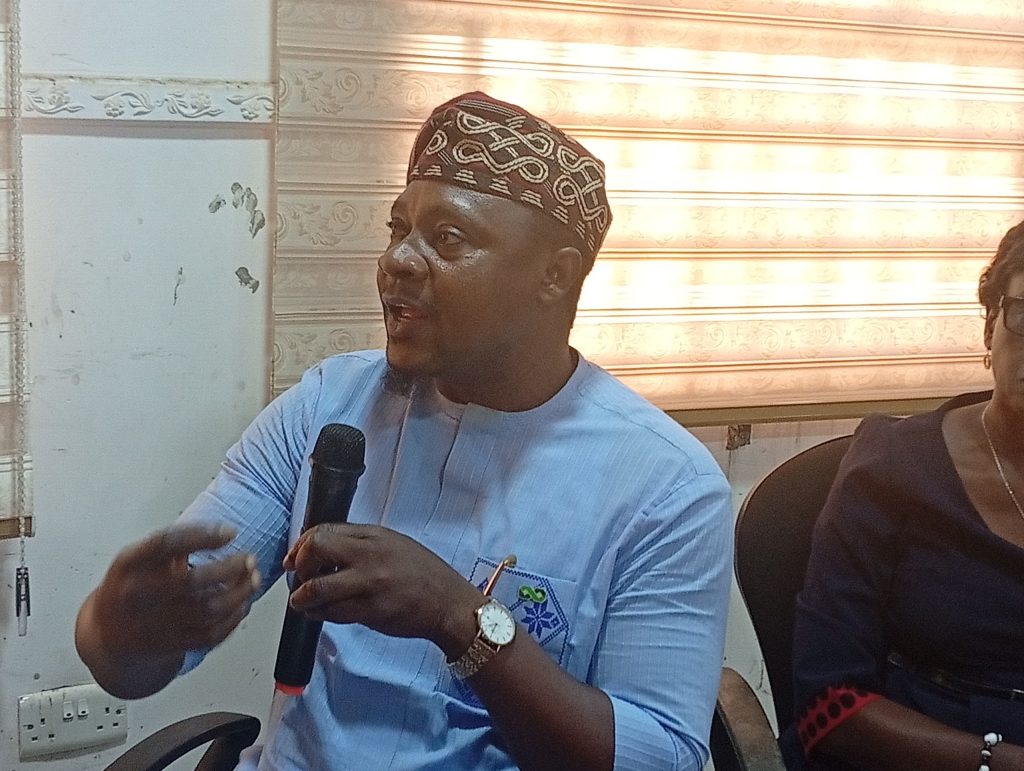
Hon. Idowu Odebunmi representing Oye Constituency II, recalled that while social intervention programmes predated the enactment of the Ekiti State Social Protection Law in 2020, the legislation provided a comprehensive legal framework for coordinating and sustaining such initiatives.
He assured stakeholders that the Assembly would continue to review existing laws where necessary and intensify oversight of budgetary allocations for social protection programmes to ensure transparency, accountability and effective service delivery. He committed to collaborating with the Ministry of Budget and Economic Planning/State Operations Coordinating Unit (SOCU) in ensuring that the State Social Register is prioritized as a database of beneficiaries for their constituency outreaches.
Representatives of the Ministry of Budget and Economic Planning, Ministry of Information and Value Orientation, Ekiti State Operations Coordinating Unit (SOCU), Ekiti Social Investment Coordinating Agency (SICA), and Coalition of Ekiti State Civil Society Organiations also participated and made key commitments to achieving the purpose of the engagement.