

Adebayo Adenrele
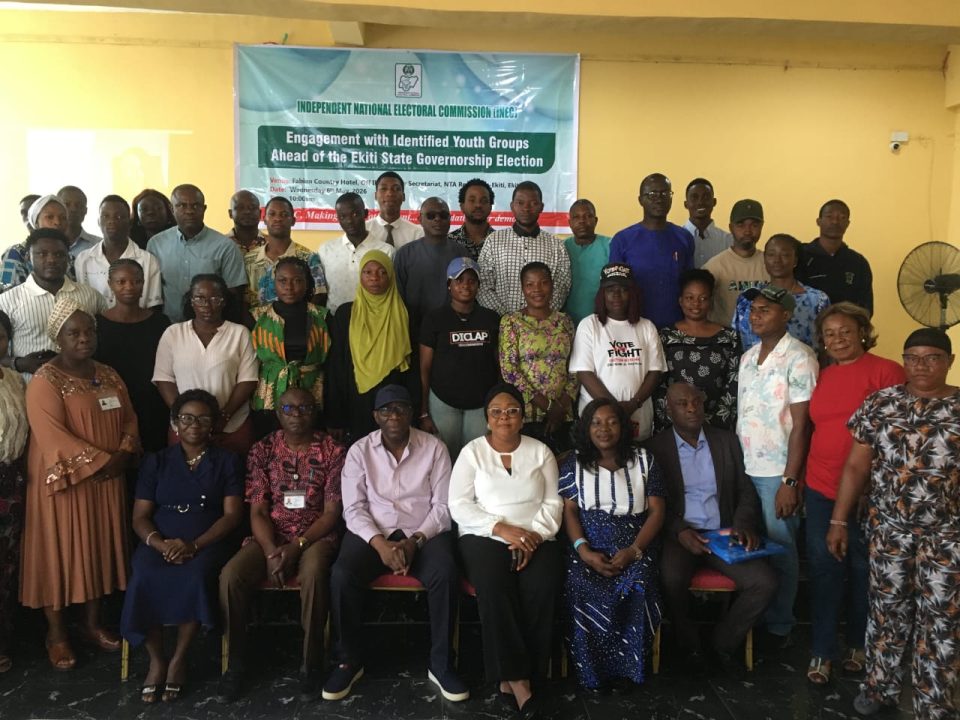
The Independent National Electoral Commission (INEC) has called on youths across Ekiti State to shun electoral violence, misinformation and vote trading ahead of June 20 gubernatorial election in Ekiti.
Speaking in Ado-Ekiti during an engagement with identified youth groups, the Deputy Director of Inclusivity in the Gender Inclusivity Department at INEC Headquarters, Habibat Abdulkareem Jato, emphasized the critical role young people play in shaping the outcome of elections due to their numerical strength.
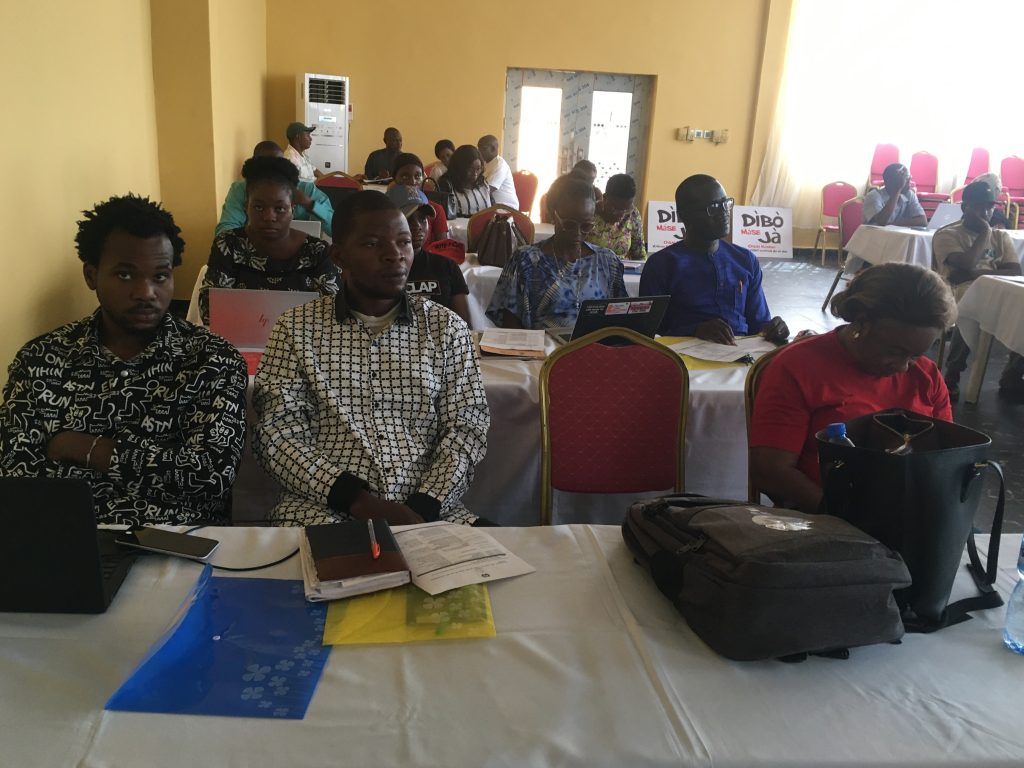
The Deputy Director urged youths to prioritize civic responsibility and peaceful conduct, stressing the need for young voters to be objective in the information they share about the election.
Jato noted that youths, as the largest demographic group in the country, possess significant influence that must be used constructively.
According to her, this influence should be directed towards promoting democratic values and encouraging widespread participation in the electoral process.
Jato also assured stakeholders of INEC’s preparedness for the election, describing the engagement as part of the Commission’s broader strategy to ensure a smooth and credible poll.
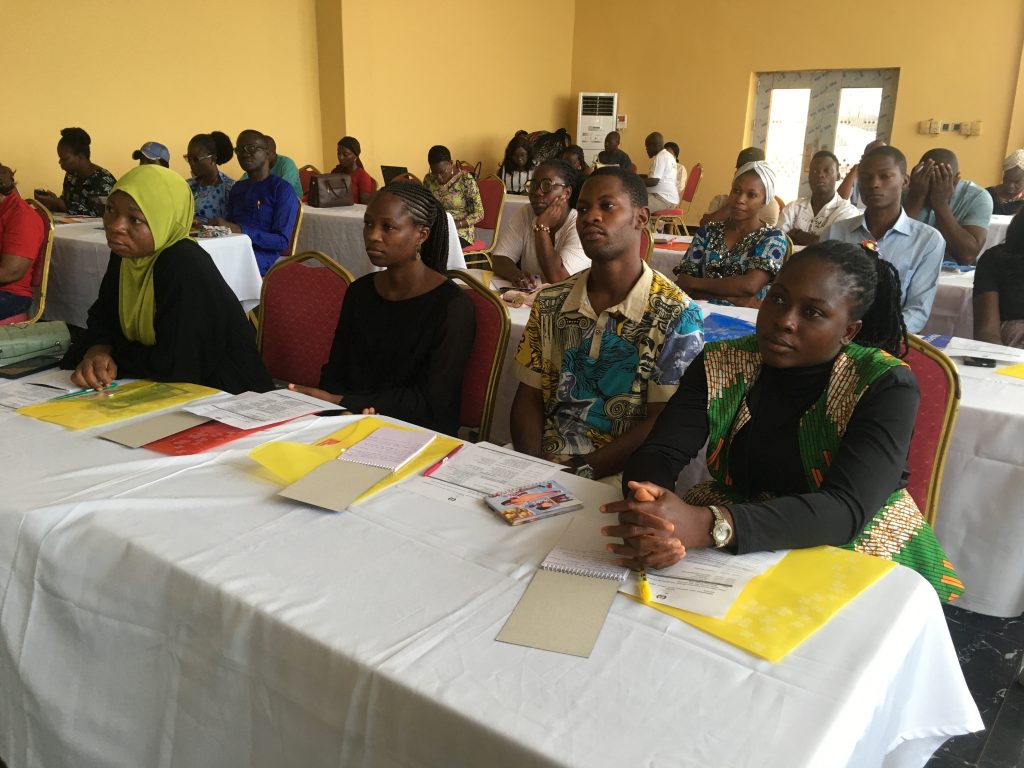
She disclosed that key officials, including Heads of Departments such as Operations, Information and Communication Technology (ICT) and Voter Education and Publicity (VEP), are actively involved in the preparations.
Jato also warned against the dangers of electoral violence, noting that youths often bear the greatest consequences when they allow themselves to be used for disruptive activities.
Her words, “My message is simple: vote, not violence. Youths should be objective in the messages they share about the election. They must act responsibly and take advantage of their demographic strength, as they represent the largest segment of the population. They should use this strength positively by promoting and participating actively in the electoral process.
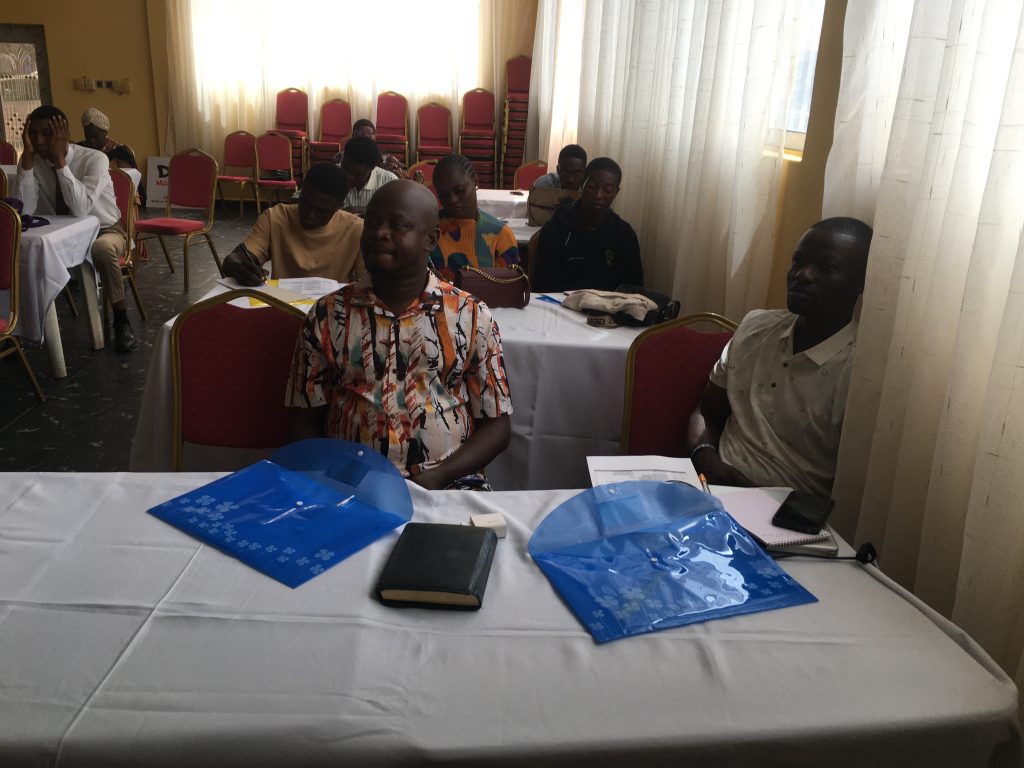
“INEC is fully prepared for the election. This engagement is part of that preparation. Today, we are informing stakeholders about our level of readiness. We have key officials present, including Heads of Departments such as Operations, ICT, and Voter Education and Publicity (VEP). A lot is currently ongoing as part of our preparations for the election in Ekiti.
“We want youths to understand that allowing themselves to be used as tools for violence does not benefit them. Instead, they should channel their energy into positive participation in the electoral process. Again, the message is clear: vote, not violence”.
On his part, the Resident Electoral Commissioner (REC) of INEC in Ekiti State, Dr. Bunmi Omoseyindemi, described youths as critical stakeholders in the democratic process, noting that they constitute a significant proportion of the voting population and play a vital role in shaping public opinion.
He emphasized that youths serve as influencers capable of promoting peaceful participation and safeguarding the integrity of elections.
According to him, the engagement was designed not only to inform participants about electoral processes but also to listen to their concerns and jointly develop solutions to ensure a credible, inclusive, and peaceful election.
Omoseyindemi, however identified key risks such as recruitment for political thuggery, disruption of polling processes in flashpoint areas and involvement in vote trading networks as recurring challenges involving youths during election periods in the state.
He also warned against the spread of fake news and misinformation on social media, which he said could incite panic, discourage voter participation and heighten tension.
“Let me begin by acknowledging the critical role that young people play in the democratic process. Youths constitute a significant proportion of our voting population and beyond voting, you are key influencers in shaping public opinion, promoting peaceful participation, and safeguarding the integrity of our electoral process.
“This engagement is both timely and strategic. It provides a platform for open dialogue, mutual understanding, and partnership between the Commission and the youth constituency. We are here not just to inform, but to listen, engage, and co-create solutions that will ensure a credible, inclusive and peaceful election.
“However, as we approach the election, it is important to frankly address some key risks that often involve young people during electoral periods in Ekiti State.
“We have observed in previous electoral cycles: The recruitment of youths for political thuggery and disruption of polling processes, particularly in flashpoint areas and during result collation.
“The spread of misinformation and fake news on social media, sometimes capable of inciting panic, voter apathy, or unnecessary tension.
“The use of youths in vote trading networks, acting as agents or intermediaries. The influence of drugs and alcohol, which can escalate minor disagreements into violence on election day.
“The misuse of motorcycles and transport networks for rapid mobilization of groups to create disturbances. These are real challenges, and they must be confronted collectively.
“As we approach the election, I urge all youth groups to continue to demonstrate leadership by rejecting violence, misinformation, vote trading, and any form of electoral malpractice. Your voices are powerful, use them to promote peace, tolerance, and issue-based engagement.
“I urge you, as leaders and influencers, to take a firm stand: Reject any attempt to use you as instruments of violence or electoral malpractice. Question the information you receive before sharing. Promote lawful conduct and encourage your peers to act responsibly before, during, and after the election”. He added
Also, the Director of National Orientation Agency (NOA) in Ekiti, Oluwakemi Akomolede called on youths in the state to act responsibly and play a decisive role in safeguarding the integrity of the forthcoming governorship election, noting that they constitute the majority of registered voters in the state.
The NOA Director revealed that over 65 per cent of registered voters in Ekiti are under the age of 45, describing the demographic as a powerful force capable of shaping the outcome of the election.
However, the Director stressed that such numerical strength comes with a corresponding responsibility to uphold democratic values, urging them to shun all forms of electoral violence and resist inducements from politicians, particularly vote-buying.
According to the Director, trading votes for short-term gains undermines the future of the state and erodes democratic credibility.